Facing Foreclosure or a Short Sale
Your Home in Houston Deserves a Careful Look at the Paperwork
A house in Sunnyside, Fifth Ward, or the East End is more than an address — it's where your family lives. When mortgage payments fall behind, the choices that follow — foreclosure, a short sale, a deed in lieu — each leave a different mark on your credit reports. Before you decide what to do, learn how each one is reported and what the entries actually say.
A foreclosure entry can stay on a credit report for up to seven years, and it can make the next mortgage, rental application, or even some job screenings harder. A short sale or a deed in lieu is reported differently, and the way the lender describes the account — settled, paid for less than the full balance, or included in foreclosure — matters for how the entry reads. When the reported balance, the dates, or the account status don't match what actually happened with the home, the entry deserves a closer look.
We help you read the mortgage entry the way a bureau reads it: the lender, the reported status, the balance, and the dates tied to the foreclosure, short sale, or deed in lieu. If something in the entry doesn't line up with your records, it may be challenged with the reporting agency or the information provider. Accurate foreclosure information generally stays, even when it is unfavorable — so the work starts with getting the facts straight.
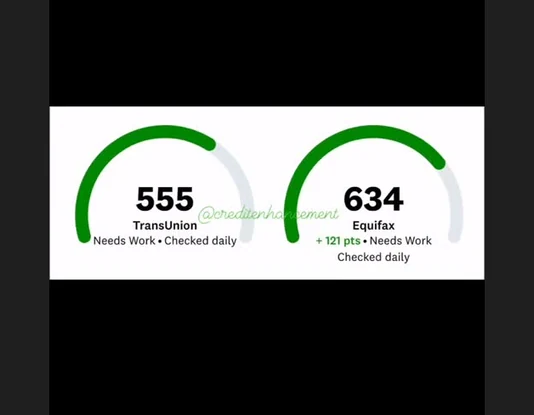
These are actual results from past clients, previously shared on Instagram. Every credit file is different, so treat these as examples of what the process can look like, not as a promise of what yours will do.
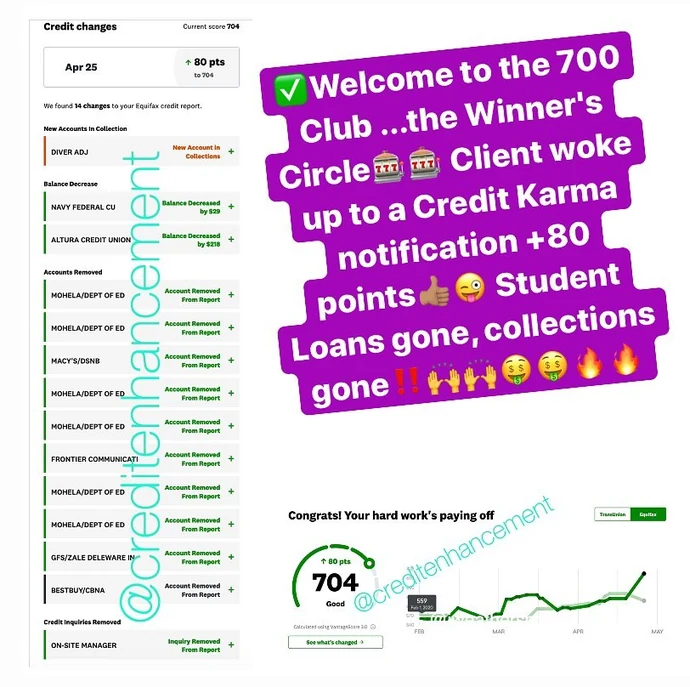
Equifax score up 80 points to 704, with six MOHELA student loan accounts and other entries removed, April 2020.
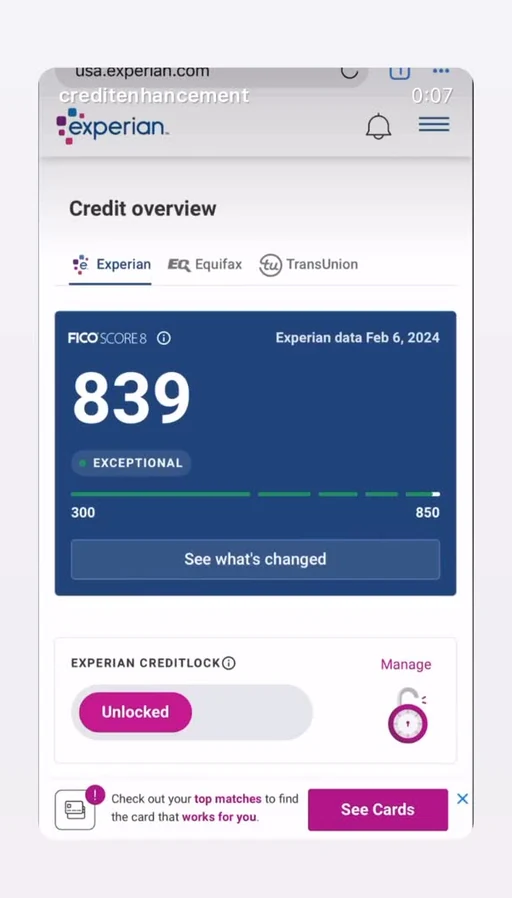
A client reached 839 on Experian in February 2024, rated Exceptional on the FICO Score 8 scale.
Results vary from person to person and depend on what is in each credit file. Nothing here promises a particular score increase or deletion.
A foreclosure, short sale, or deed in lieu is hard to deal with until you can see exactly what the bureaus are reporting — the status, the balance, and the dates. The paperwork from the lender and the report don't always agree.
For a dollar, you can read your scores and entries from Equifax, Experian, and TransUnion before you decide what to do about them.
A dollar with MyScoreIQ opens 7 days of access to your scores, then $34.99 a month if you keep it. Cancel anytime.
Foreclosure, short sale, and deed in lieu are not the same entry. We help you understand the differences and spot accuracy problems.
We explain how each outcome is described on a credit report, and how the reported status differs from one to the next.
We review the account status, the balance, and whether the lender shows the account as settled, charged off, or foreclosed.
We help you check the reported dates and balances against the closing documents and lender statements you have.
We talk through how the mortgage entry keeps showing after the home is sold or transferred, and what the status means.
We talk through whether an entry has inaccurate information that may warrant a dispute with the reporting agency or the information provider.
A short sale and a foreclosure are different entries with different weight. We help you see which one your report actually shows.
Closing documents, lender letters, and payoff statements tell the real story. We help you line them up against the report.
We explain dispute options and what rebuilding after a housing loss can look like, in plain language.
We talk through the foreclosure, short sale, or deed-in-lieu entries showing on your credit reports.
We help you review the reported status, balances, and dates tied to the mortgage entry.
We help you identify information that appears inaccurate, incomplete, or inconsistent with your records.
We explain dispute options, communication with the lender, and practical credit habits.
A foreclosure shows the lender took the home through the foreclosure process, while a short sale shows the home was sold for less than the amount owed with the lender's agreement. The reported status and the effect on a file can differ.
If the foreclosure entry has inaccurate information, it may be challenged with the reporting agency or the information provider. Accurate foreclosure information generally stays for up to seven years.
A foreclosure generally stays on a credit report for up to seven years from the date of first delinquency that led to it.
A deed in lieu is an agreement where the borrower transfers the home to the lender instead of going through foreclosure. It is reported as its own entry, and the reported status is worth checking against the agreement.
A foreclosure, short sale, or deed in lieu on your report doesn't have to stay a mystery. Let's go through what the bureaus are showing and talk about your options. Call (346) 301-6424.