Dealing With a Repossession
Losing the Car Hurt Enough — the Report Entry Shouldn't Keep Hurting
In Houston, a car is not a luxury — it's how you get to work in the Energy Corridor, pick up the kids in Alief, and drive the long stretch of Highway 290 home. When a lender takes the vehicle back, the loss is immediate. What lingers is the entry on your credit reports, and sometimes a balance left over after the car was sold. Before you decide what to do, learn what that entry actually says.
A repossession entry can show the original lender, the date the vehicle was taken, and a balance that may still be owed after the lender sold the car — the deficiency balance. That entry can make the next auto loan in Sharpstown or a truck for work out of Channelview far harder to get, and it can sit on a report for up to seven years. It is worse when the reported balance doesn't match the sale, the dates look wrong, or the account shows up under a collector you have never heard of.
We help you read the entry the way a bureau reads it: who holds the account now, what balance is reported, which dates are tied to it, and whether the same account is reported differently across the three bureaus. If something in the entry doesn't line up with your records, it may be challenged with the reporting agency or the information provider. Accurate repossession information generally stays, even when it is unfavorable.
These are actual results from past clients, previously shared on Instagram. Every credit file is different, so treat these as examples of what the process can look like, not as a promise of what yours will do.
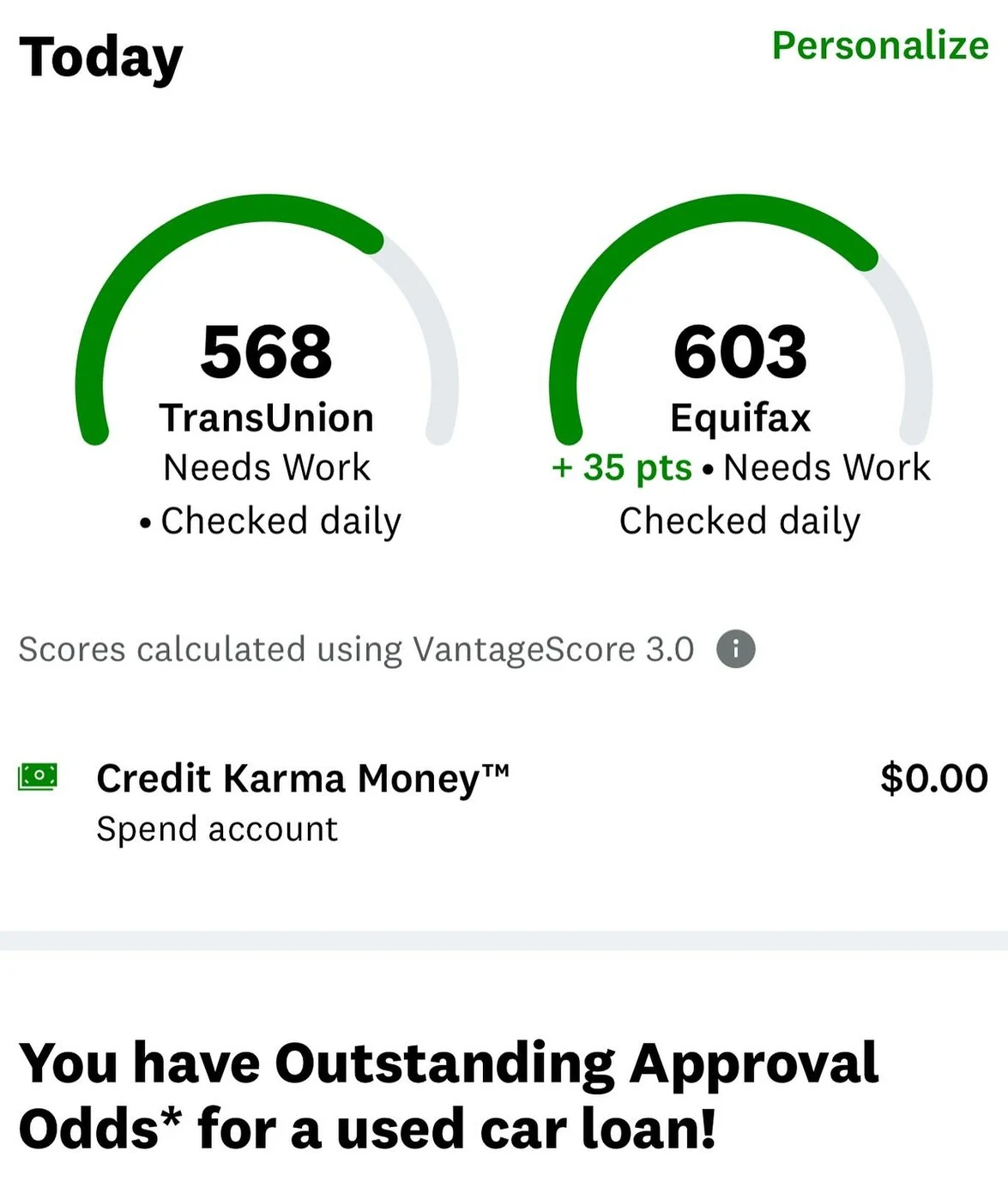
One account deletion took this client's Equifax score up 35 points, to 603, in February 2024. The same file was already showing approval odds for a used car loan.
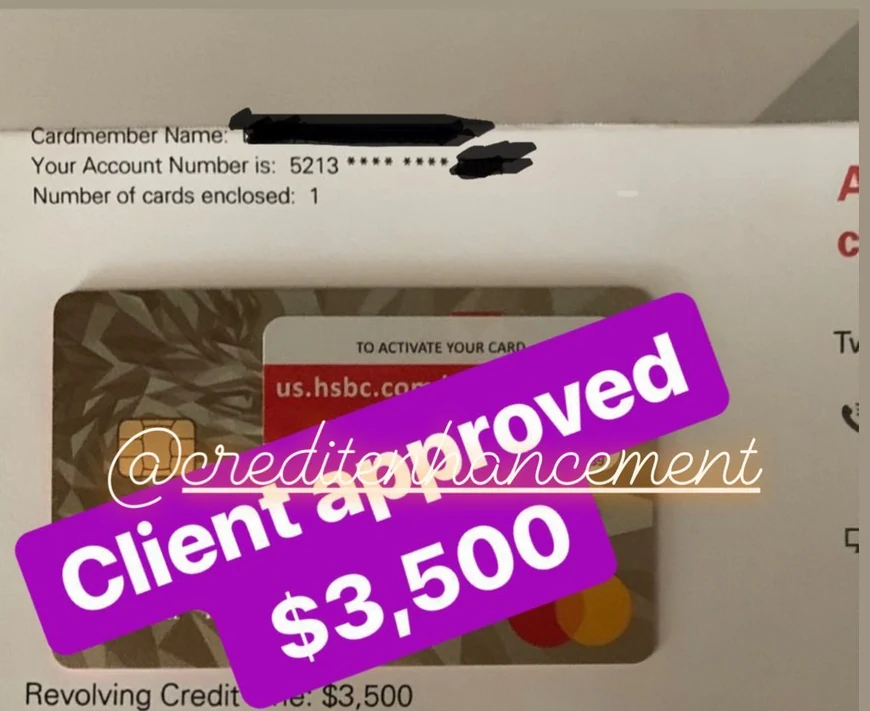
Client approved for an HSBC card with a revolving credit line of 3,500 dollars, June 2019.

Client approved for a USAA Rewards American Express card with a credit limit of 15,000 dollars, June 2019.
Results vary from person to person and depend on what is in each credit file. Nothing here promises a particular score increase or deletion.
A repossession entry is hard to deal with until you can see exactly what the bureaus are reporting — the balance, the dates, and who the account is listed under. Guessing at it only costs time.
For a dollar, you can read your scores and entries from Equifax, Experian, and TransUnion before you decide what to do about them.
A dollar with MyScoreIQ opens 7 days of access to your scores, then $34.99 a month if you keep it. Cancel anytime.
A repossession touches more than one line on a report. We help you understand each piece and spot accuracy problems.
We review the reported lender, the account status, and whether the entry shows the vehicle as repossessed or charged off.
We help you look at the balance reported after the vehicle was sold, and whether it matches what the lender told you.
We check the date of first delinquency, the repossession date, and the dates the bureaus use to decide how long the entry stays.
We explain what a deficiency balance is, who may be collecting it, and how it can appear as a separate entry.
We talk through whether an entry has inaccurate information that may warrant a dispute with the reporting agency or the information provider.
The sale price, the balance, and the dates all come from documents. We help you line the paperwork up against what the bureaus show.
A repossession can appear as the original loan, a deficiency balance, and a collection account. We help you sort out which is which.
We explain dispute options and practical next steps in plain language, without dressing up what a dispute can and can't do.
We talk through the repossession entries showing on your credit reports.
We help you review the reported balance, the sale details, and the dates tied to the entry.
We help you identify information that appears inaccurate, incomplete, or inconsistent with your records.
We explain dispute options, communication with the lender or collector, and practical credit habits.
If the repossession entry has inaccurate information, it may be challenged with the reporting agency or the information provider. Accurate repossession information generally stays for up to seven years.
The balance left after the sale — the deficiency — may be reported separately, and it may be collected by the lender or sold to a collector. We can help you review how that balance is reported.
A repossession generally stays on a credit report for up to seven years from the date of first delinquency that led to it.
That depends on your situation and the records involved. We can talk through what paying it may change on the report and what to consider before you pay.
A repossession on your report doesn't have to stay a mystery. Let's go through what the bureaus are showing and talk about your options. Call (346) 301-6424.