Inquiries You Never Approved
Only Inquiries You Authorized Belong on Your Report
You check your report and find a hard inquiry from a lender in Dallas you've never heard of, or a car dealer in Stafford you never visited. You didn't apply, you didn't give permission — but the inquiry is there, and hard inquiries can weigh on your score. Before you decide what to do, learn the difference between an inquiry you authorized and one you didn't, because only the unauthorized ones can be challenged.
Every time you apply for credit — a card, a car loan on US-59, a lease in the Galleria area — the lender usually pulls your report, and that pull shows up as a hard inquiry. Hard inquiries generally stay on a report for up to two years. But some inquiries show up without any application behind them: a lender you never contacted, a dealer who ran your credit while you were only browsing, or an inquiry tied to an account that isn't yours. Those are the ones worth a closer look.
We help you read the inquiry section the way a bureau reads it: which inquiries are hard and which are soft, who pulled your report, and when. If an inquiry came from a lender you never authorized, it may be challenged with the reporting agency or the information provider. Inquiries you did authorize — the ones tied to applications you actually made — generally stay, even when they are unfavorable.
These are actual results from past clients, previously shared on Instagram. Every credit file is different, so treat these as examples of what the process can look like, not as a promise of what yours will do.
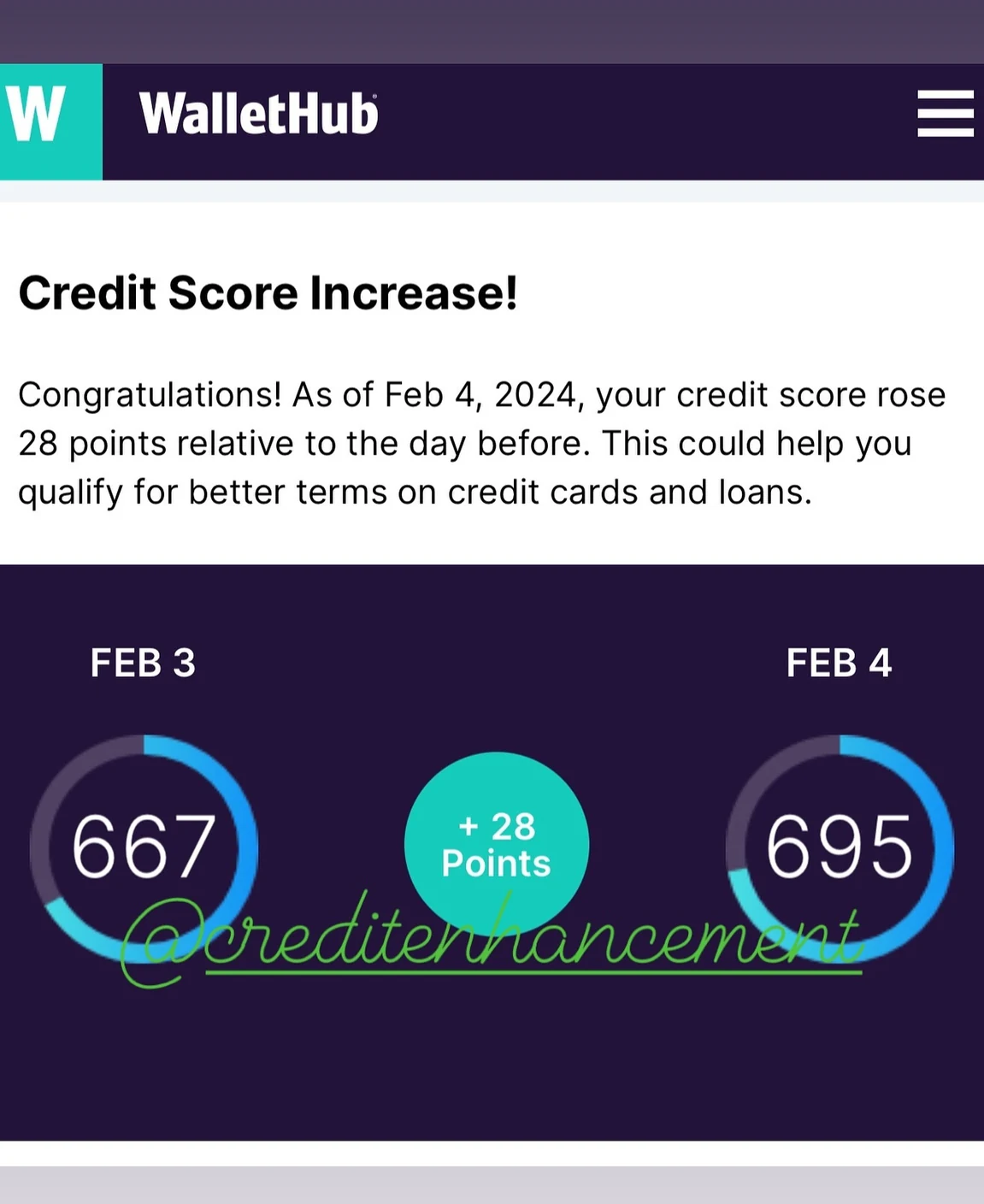
A client's WalletHub score rose 28 points, from 667 to 695, between February 3 and February 4, 2024.
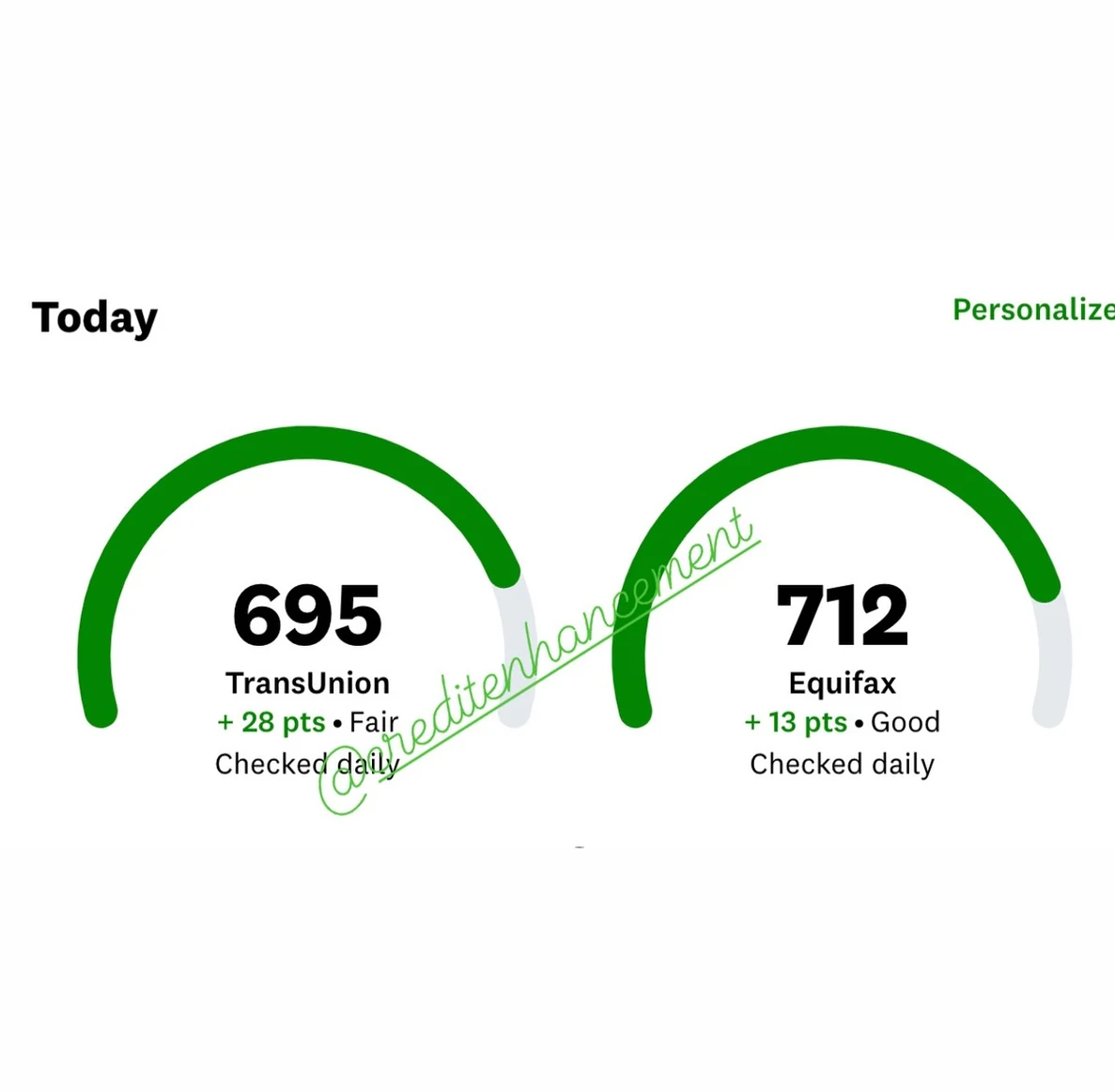
A client's scores in February 2024: TransUnion 695, up 28 points, and Equifax 712, up 13 points.
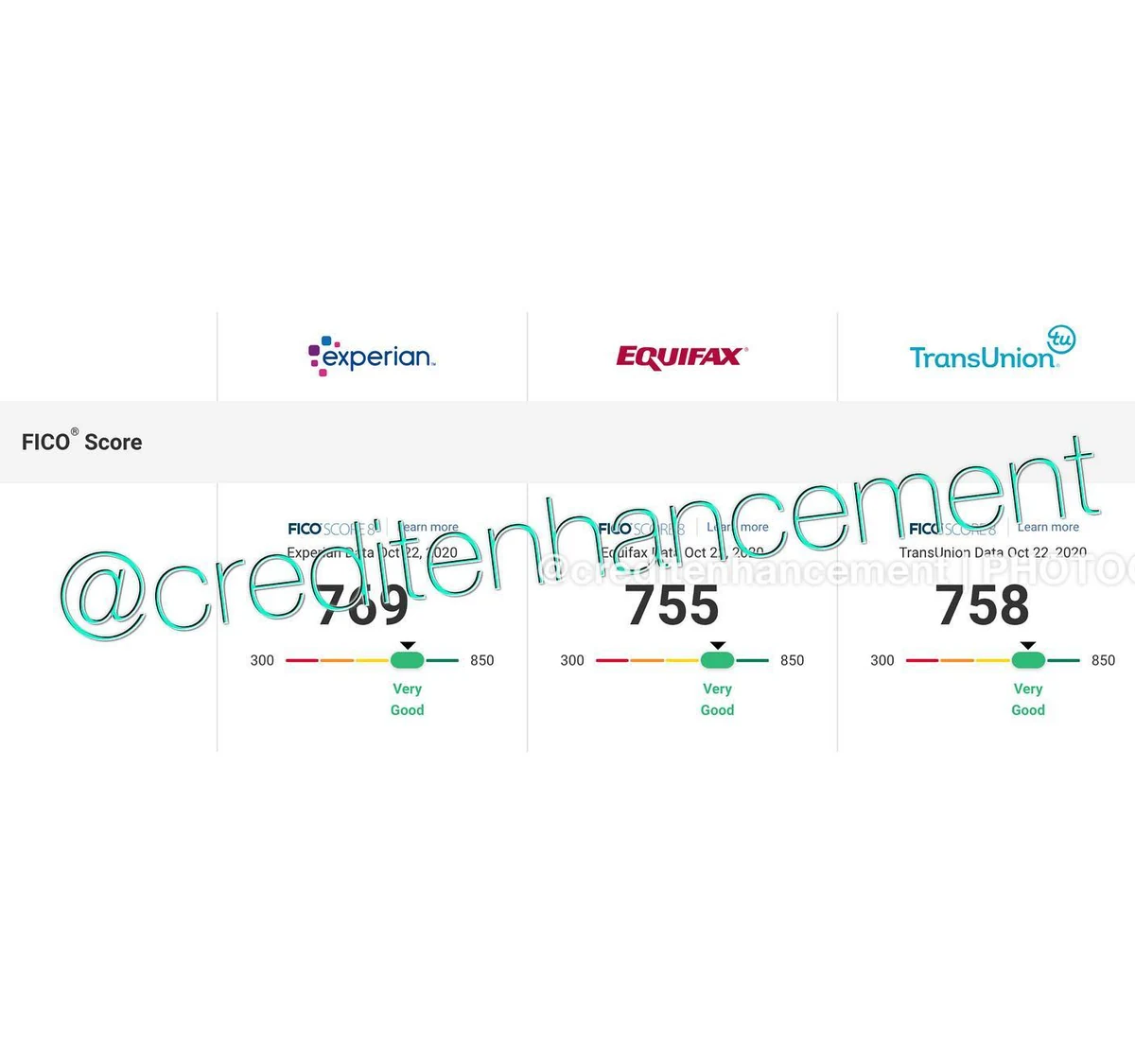
A client's FICO scores in October 2020: Experian 769, Equifax 755, and TransUnion 758.
Results vary from person to person and depend on what is in each credit file. Nothing here promises a particular score increase or deletion.
Inquiries are hard to deal with until you can see exactly what the bureaus are reporting — who pulled your file, when, and whether you ever authorized it. The inquiry list is often longer than people expect.
For a dollar, you can read your scores and entries from Equifax, Experian, and TransUnion before you decide what to do about them.
A dollar with opens 7 days of access to your scores, then a month if you keep it. Cancel anytime.
Not every inquiry can be challenged — only the ones you never authorized. We help you tell the difference.
We explain the difference: hard inquiries come from credit applications and can affect a score, while soft inquiries — like checking your own report — do not.
We help you go through the inquiry list and flag the pulls you don't recognize or never gave permission for.
We talk through how to handle an inquiry from a lender or dealer you never applied with, and what records help.
We explain how hard inquiries are weighed, how long they generally stay, and why a cluster of them draws attention.
We talk through whether an inquiry has inaccurate information that may warrant a dispute with the reporting agency or the information provider.
An inquiry from your own application is supposed to be there. We help you separate those from the ones that aren't.
Most people find inquiries they forgot about — and sometimes ones they never made. We help you read the whole list.
One unauthorized inquiry may seem minor, but a file full of them tells a different story. We help you clean up the ones that don't belong.
We talk through the hard inquiries showing on your credit reports, bureau by bureau.
We help you review the lender, the date, and whether you ever applied with them.
We help you identify inquiries that appear unauthorized, inaccurate, or tied to accounts that aren't yours.
We explain dispute options and practical habits for future applications.
A hard inquiry happens when you apply for credit and a lender pulls your report, and it can affect your score. A soft inquiry happens when you check your own report or a lender pre-screens you, and it does not affect your score.
If you authorized the credit application, the inquiry generally stays, because it reflects a real application. Only inquiries you did not authorize may be challenged.
An unauthorized inquiry is a hard inquiry from a lender or dealer you never applied with and never gave permission to pull your report. It may also be tied to an account opened without your knowledge.
Hard inquiries generally stay on a credit report for up to two years, though their effect on a score usually fades sooner.
An inquiry you never authorized shouldn't be on your report. Let's go through what the bureaus are showing and talk about your options. Call (346) 301-6424.