Judgments and Tax Liens

How to Remove a Judgment or Tax Lien From Your Credit Report in Houston, Texas

Most Judgments and Liens Are Gone From Reports — Here's What to Check

There is good news hidden in this topic: civil judgments and most tax liens no longer appear on credit reports at all. But older entries, errors, and the debts behind them can still cause trouble — and if a judgment or lien is showing on your Houston report, it deserves a close look. Here's what the rules are now and what to do about what you find.

Why Most Judgments and Tax Liens No Longer Appear

In 2017, the three major credit bureaus removed civil judgments and most tax liens from credit reports as part of an agreement with state attorneys general. The reason was accuracy: judgments and liens are public records, and the bureaus found they could not reliably match them to the right person without enough identifying information. Since then, a civil judgment or a tax lien generally does not appear on a credit report — and if one is showing on yours, it may be there in error, or it may be an older entry that was never removed.

That does not mean the judgment or lien is gone. A civil judgment is still a court order, and it can still be enforced — in Texas, a judgment creditor can pursue collection through bank levies and other remedies within the judgment's enforcement period. A tax lien is still a claim against your property, and it still matters when you sell a home or apply for a loan that checks public records directly. The credit report is only one place these records show up; lenders, title companies, and background checks can find them elsewhere.

So the first step is to find out what you are actually looking at. Pull your reports from all three bureaus at annualcreditreport.com, the official site, and find the entry. Note the court or taxing authority, the amount, the date, and the status. Then check the source: a county court record in Harris County or the county where the judgment was entered, or the taxing authority for a lien. The report entry and the public record should match — and if they do not, the entry may be an error.

Step by Step: Dealing With a Judgment or Lien on Your Report

Step 1 — Verify the entry against the public record. Look up the case in the county court records or ask the taxing authority for the lien details. Confirm the name, the amount, the date, and whether the judgment or lien has been satisfied, released, or vacated. A satisfied judgment or a released lien that is still showing as outstanding is an accuracy problem.

Step 2 — Dispute what is inaccurate. If the entry is wrong — the wrong person, the wrong amount, a satisfied judgment still showing as unpaid, or a judgment that should have been removed under the 2017 policy — dispute it with the bureau that shows it. Attach proof: the satisfaction of judgment, the release of lien, or the court order vacating the judgment. Bureaus generally have 30 days to investigate, and they must correct or remove information they cannot verify.

Step 3 — Deal with the underlying debt if it is real. If the judgment is valid and unsatisfied, the credit report is the smaller problem — the judgment itself is the problem, because it can be enforced. Options include negotiating a settlement with the judgment creditor, setting up a payment plan, or, in some cases, having the judgment vacated if there was a defect in how it was obtained (for example, if you were never properly served). A Texas attorney who handles consumer debt can tell you which of those fits, and a consultation is worth it when a judgment is involved.

Step 4 — For a tax lien, contact the taxing authority. A federal tax lien can sometimes be withdrawn or subordinated once the tax debt is paid or a payment plan is in place, and a state or local lien follows that authority's own process. Pay the debt or set up the plan first, then ask for the release or withdrawal in writing, and keep the release document — it is the proof you will need if the lien ever shows up on a report again.

Step 5 — Check all three bureaus after any change. A removal or correction at one bureau does not always carry to the others. Pull your reports again 30 to 60 days after a dispute or a release, and confirm the entry is gone or corrected everywhere it appeared.
What to Watch Out For

Be careful with companies that promise to remove judgments or tax liens from your credit report for a fee. Since 2017, most of these entries should not be on a report at all, and the ones that are can usually be disputed directly with the bureau — a process available to you without a paid middleman. The harder problem is the judgment or lien itself, and that is a legal matter, not a credit repair matter: a settlement, a payment plan, or a motion to vacate needs a lawyer's judgment, not a dispute letter.

Also watch for the debt behind a judgment. A judgment usually starts as an unpaid debt — a credit card, a personal loan, a contractor bill — and the judgment is what happens when the creditor sues and wins. The original debt may still be reported separately, and settling the judgment does not always update the original account. Check both entries, and make sure any settlement agreement states how each one will be reported.

When you dispute by mail, send it to the bureau that shows the item. The mailing addresses are: Experian, P.O. Box 4500, Allen, TX 75013; Equifax, P.O. Box 740256, Atlanta, GA 30374; and TransUnion, P.O. Box 2000, Chester, PA 19016. Bureaus generally have 30 days to investigate a dispute once they receive it. Send disputes by certified mail and keep a copy of everything you send, along with the delivery confirmation.

Related Guides and Services

If this guide helped, these pages go deeper on the topics that usually come up next.

A First Look at Real Results

These are actual results from past clients, previously shared on Instagram. Every credit file is different, so treat these as examples of what the process can look like, not as a promise of what yours will do.

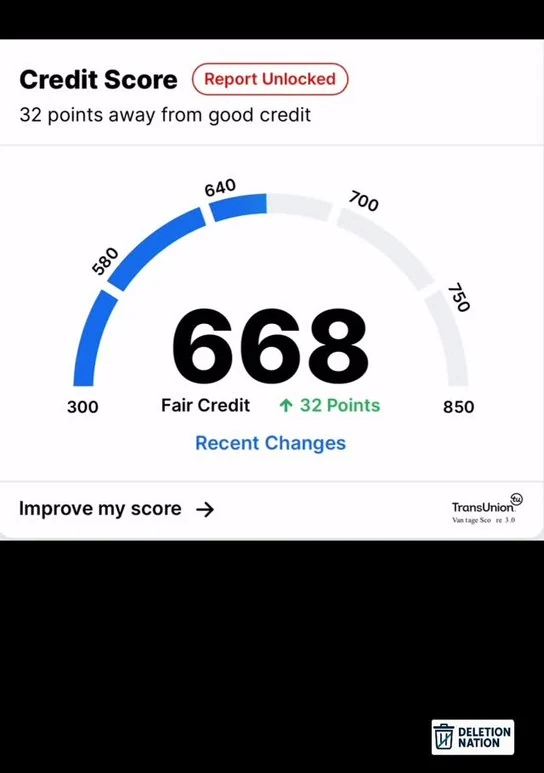
Houston credit repair result: TransUnion credit score of 668, up 32 points

Three clients, 13 deletions, one round

Three TransUnion clients cleared back to back in August 2025. One client had 8 inquiries deleted in a single sweep; another had Apple Card, Comenity, CareCredit, and USAA accounts removed; a third had a Synchrony account deleted. One client rose 32 points overnight, to 668.

See it on Instagram →

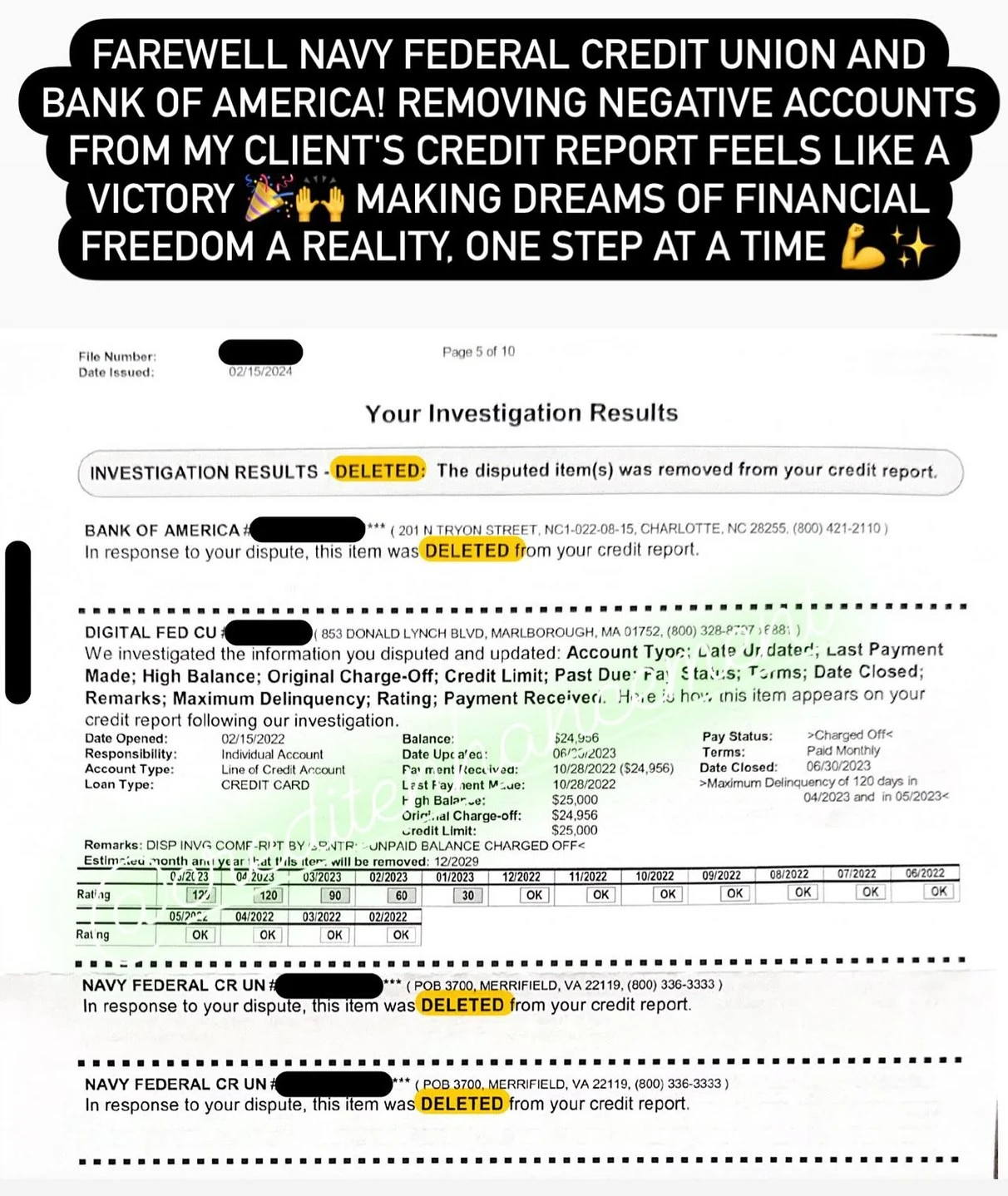
Houston credit repair result: Credit bureau investigation letter showing Bank of America and Navy Federal accounts deleted

Bank of America and Navy Federal, deleted

A February 2024 bureau investigation letter showing a Bank of America account and two Navy Federal accounts deleted from a client's credit report after dispute.

See it on Instagram →

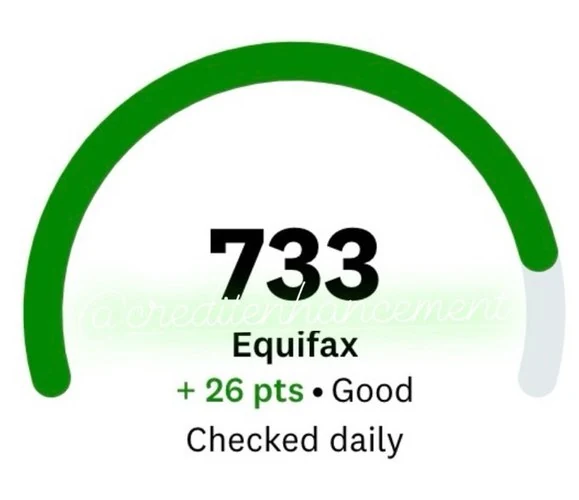
Houston credit repair result: Equifax credit score of 733, up 26 points

Equifax up 26 points

A client reached 733 on Equifax after a 26-point increase, March 2024.

See it on Instagram →

Results vary from person to person and depend on what is in each credit file. Nothing here promises a particular score increase or deletion.

See the Judgment or Lien on Your Reports for a Dollar

You can't challenge what you haven't read. Check the judgment or lien entry — the court, the amount, the date — on all three bureaus before you contact anyone.

For a dollar, you can read your scores and entries from Equifax, Experian, and TransUnion before you decide what to do about them.

See What's on My Reports

A dollar with MyScoreIQ opens 7 days of access to your scores, then $34.99 a month if you keep it. Cancel anytime.

Houston Credit Repair Is Proud to Serve Texas

What We Walk Through With You

Judgments and Tax Liens can look different from one report to the next. We help you understand the details and spot accuracy problems.

The Entry on Your Report

We review the judgment or lien — the court or authority, the amount, the date, and the status.

The Public Record

We help you check the entry against the court record or the taxing authority's records.

Satisfied or Released?

We look for a satisfaction, release, or vacatur that should have updated the entry.

Disputes Worth Filing

We help you spot entries that should not be on a report at all, or that show the wrong status.

The Underlying Debt

We talk through settlement, payment plans, and when a lawyer's advice is worth getting.

Why Talk Through Judgments and Tax Liens With Us?

Start With the Facts

A Judgments and Tax Liens entry feels personal, but on a report it is just data — dates, amounts, and a status. We help you read it as data first.

One Entry, Three Reports

The same account can look different on each bureau. We help you check all three before you act on any one of them.

A Plan You Can Follow

We explain dispute options, what records to keep, and practical habits that help you stay current going forward.

How We Help With Judgments and Tax Liens

Go Over the Entry

We talk through the judgment or lien showing on your credit reports.

Verify It Against the Record

We help you understand what to check with the court or the taxing authority.

Spot What May Be Wrong

We help you identify information that appears inaccurate or outdated.

Talk About Next Steps

We explain dispute options and when to talk to a Texas consumer debt attorney.

Questions About Judgments and Tax Liens

Do judgments appear on credit reports anymore?

Generally no. Since 2017, the three major bureaus have removed civil judgments and most tax liens from credit reports. If one is showing on yours, it may be there in error or may be an older entry that was never removed.

Can a judgment still be enforced if it is not on my credit report?

Yes. A judgment is a court order and can still be enforced — through bank levies and other remedies — even if it does not appear on your credit report.

How do I get a judgment off my credit report?

Dispute it with the bureau that shows it, with proof — a satisfaction of judgment, a release, or a court order vacating it. Bureaus generally have 30 days to investigate.

What should I do about a tax lien?

Contact the taxing authority, pay the debt or set up a payment plan, then ask for the release or withdrawal in writing and keep the release document.

Should I hire a company to remove a judgment from my report?

Be careful. Most judgments should not be on a report at all, and the ones that are can usually be disputed directly. The judgment itself is a legal matter — a settlement or a motion to vacate needs a lawyer's advice, not a credit repair letter.

Does settling a judgment update the original debt on my report?

Not always. The original account may still be reported separately. Make sure any settlement agreement states how each entry will be reported.

Seeing a Judgment or Lien on Your Report?

Most of them shouldn't be there anymore — and the ones that are deserve a careful look. Let's go through what the bureaus are showing. Call (346) 301-6424.

Call (346) 301-6424

Our Services in Houston, Texas