Evictions on Your Report

How to Remove an Eviction From Your Credit Report in Houston, Texas

An Eviction Can Follow You — Here's What to Check First

An eviction is one of the hardest things to find on a credit report, because it does not always appear the way people expect. Sometimes it shows as a collection, sometimes as a court judgment, and sometimes it is not on the big three bureaus at all — it is on a separate tenant screening report a landlord pulls instead. This guide explains where to look and what can actually be challenged.

Where an Eviction Actually Shows Up

An eviction itself — the court order telling a tenant to leave — is a public record, and since 2017 the three major bureaus have generally stopped reporting civil judgments and most public records. That means an eviction often does not appear on an Equifax, Experian, or TransUnion report at all. What does appear is the money behind it: unpaid rent or fees that the landlord sent to a collection agency, or a money judgment the landlord won in court.

So the first step is to find out what you are actually looking at. Pull your reports from all three bureaus at annualcreditreport.com, the official site, and search for the landlord's name, the collection agency's name, and any court case number. Note which bureau shows it, the amount, the date, and the status. A collection tied to an eviction is reported like any other collection — and it is challenged the same way, by checking whether the information in it is accurate.

Separately, landlords often pull tenant screening reports from companies that specialize in rental history. Those reports can show an eviction filing even when the big three bureaus do not, and they are covered by the same federal law — you can request a copy of your tenant screening report and dispute inaccuracies in it, too.

Step by Step: Working Through an Eviction Entry

Step 1 — Identify the entry. Is it a collection account, a judgment, or a screening report entry? Each one is disputed in a different place, so knowing which it is decides the next step.

Step 2 — Verify the facts. Check the amount against your lease and your payment records. Was the rent actually unpaid, and for how much? Was the eviction dismissed, or did you move out before a judgment was entered? A dismissed case that is reported as a judgment, or an amount that does not match what you owed, is an accuracy problem.

Step 3 — Dispute what is inaccurate. Dispute a wrong collection or judgment entry with the bureau that shows it, with documents attached — the lease, payment records, a dismissal order, or a satisfaction of judgment. Bureaus generally have 30 days to investigate. For a screening report, dispute directly with the screening company.

Step 4 — Deal with the underlying debt if it is real. If the amount is accurate, the entry itself is a smaller problem than the debt behind it. Options include negotiating a settlement with the landlord or the collector and getting the agreement in writing, including how the account will be reported after payment. Paying a collection does not automatically remove it, so get the reporting terms in writing before you pay.

Step 5 — Rebuild from here. An accurate eviction-related collection generally stays on a report for about seven years. While it ages, on-time payments on your other accounts and low balances do the most to rebuild the file around it.

What to Watch Out For

Be careful with companies that promise to remove an eviction from your credit report for a fee. If the entry is accurate, a dispute does not remove it — disputes are for inaccuracies. And if the entry is not on the big three bureaus at all, there may be nothing to remove from those reports in the first place; the problem may be a screening report instead, which is a different dispute with a different company.

Also, an eviction filing that was dismissed is not the same as a judgment. If you moved out, settled, or the case was dropped, the record should reflect that. A dismissal reported as a judgment, or a case reported against the wrong person, is exactly the kind of error worth disputing with proof in hand.

When you dispute by mail, send it to the bureau that shows the item. The mailing addresses are: Experian, P.O. Box 4500, Allen, TX 75013; Equifax, P.O. Box 740256, Atlanta, GA 30374; and TransUnion, P.O. Box 2000, Chester, PA 19016. Bureaus generally have 30 days to investigate a dispute once they receive it. Send disputes by certified mail and keep a copy of everything you send, along with the delivery confirmation.

Related Guides and Services

If this guide helped, these pages go deeper on the topics that usually come up next.

A First Look at Real Results

These are actual results from past clients, previously shared on Instagram. Every credit file is different, so treat these as examples of what the process can look like, not as a promise of what yours will do.
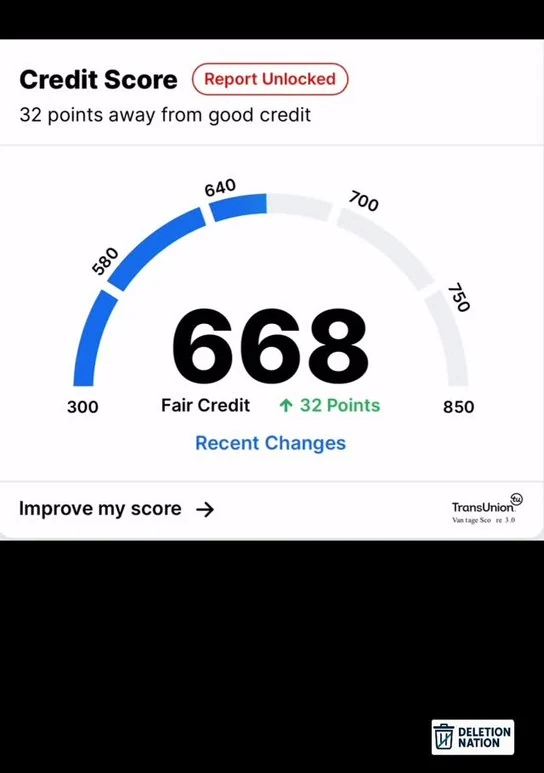
Houston credit repair result: TransUnion credit score of 668, up 32 points

Three clients, 13 deletions, one round

Three TransUnion clients cleared back to back in August 2025. One client had 8 inquiries deleted in a single sweep; another had Apple Card, Comenity, CareCredit, and USAA accounts removed; a third had a Synchrony account deleted. One client rose 32 points overnight, to 668.
See it on Instagram →

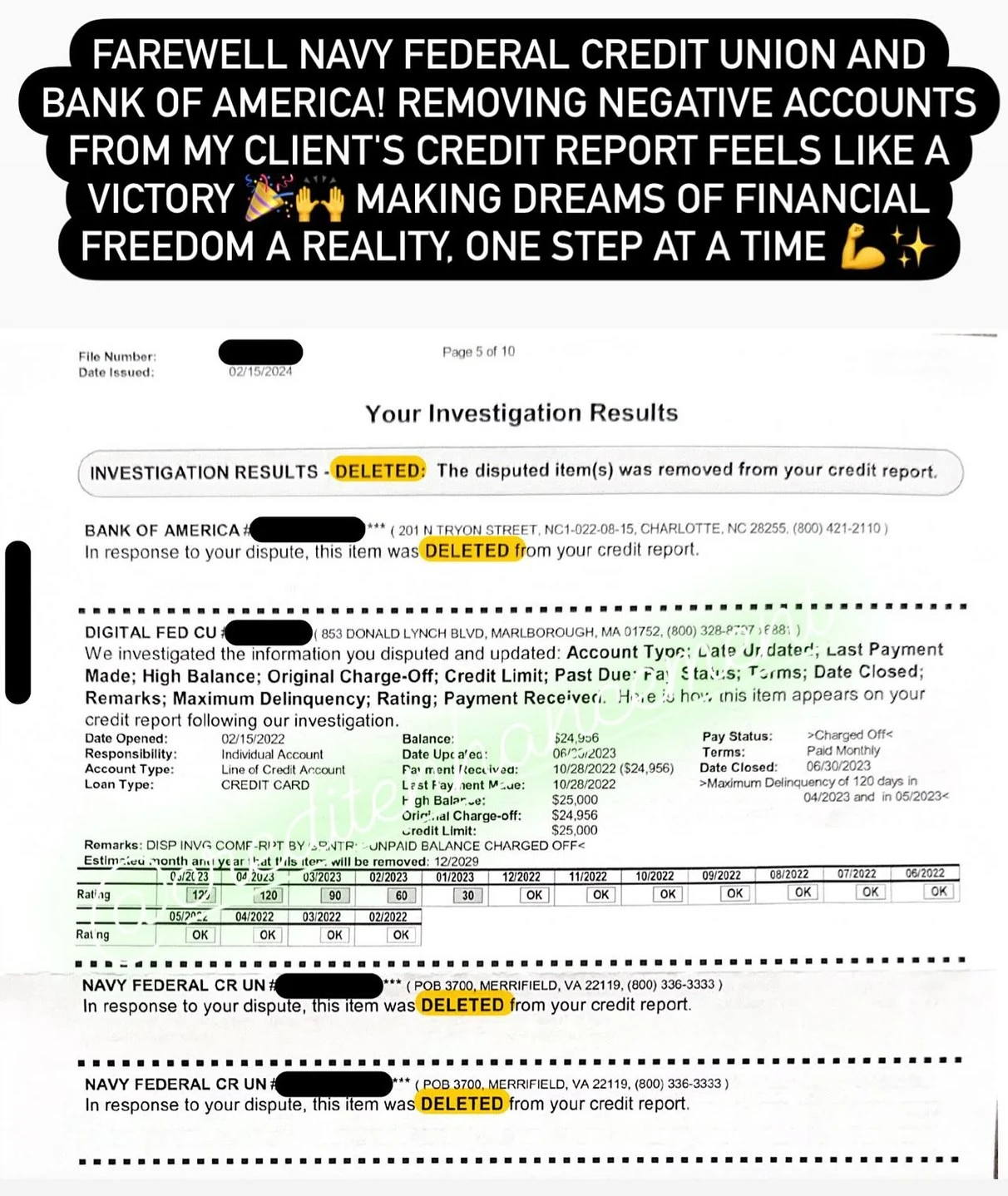
Houston credit repair result: Credit bureau investigation letter showing Bank of America and Navy Federal accounts deleted

Bank of America and Navy Federal, deleted

A February 2024 bureau investigation letter showing a Bank of America account and two Navy Federal accounts deleted from a client's credit report after dispute.
See it on Instagram →

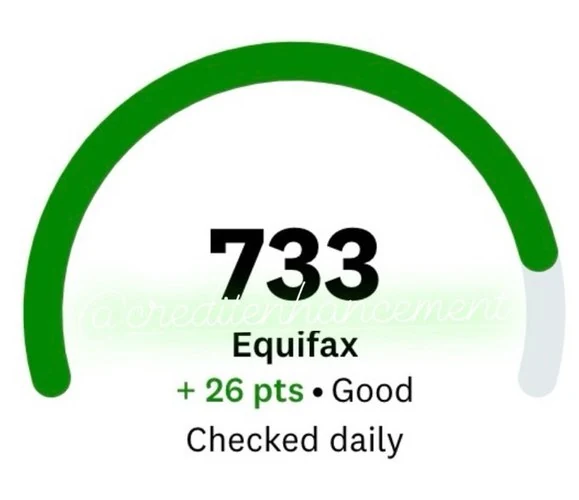
Houston credit repair result: Equifax credit score of 733, up 26 points

Equifax up 26 points

A client reached 733 on Equifax after a 26-point increase, March 2024.

See it on Instagram →

Results vary from person to person and depend on what is in each credit file. Nothing here promises a particular score increase or deletion.

See the Eviction Entry on Your Reports for a Dollar

You can't challenge what you haven't read. Check whether the eviction shows as a collection, a judgment, or something else — and on which bureau — before you contact anyone.

For a dollar, you can read your scores and entries from Equifax, Experian, and TransUnion before you decide what to do about them.

See What's on My Reports

A dollar with MyScoreIQ opens 7 days of access to your scores, then $34.99 a month if you keep it. Cancel anytime.

Houston Credit Repair Is Proud to Serve Texas

What We Walk Through With You

Evictions can look different from one report to the next. We help you understand the details and spot accuracy problems.

The Entry on Your Report

We review whether the eviction shows as a collection, a judgment, or a screening report entry.

The Amount and the Dates

We help you check the reported amount and dates against your lease and payment records.

Dismissed or Decided?

We look for a dismissal, settlement, or satisfaction that should have updated the entry.

Which Bureau Shows It

We compare the entry across all three bureaus, because it often appears on only one or two.

The Debt Behind It

We talk through settlement options and getting reporting terms in writing before you pay.

Why Talk Through Evictions With Us?

Start With the Facts

A Evictions entry feels personal, but on a report it is just data — dates, amounts, and a status. We help you read it as data first.

One Entry, Three Reports

The same account can look different on each bureau. We help you check all three before you act on any one of them.

A Plan You Can Follow

We explain dispute options, what records to keep, and practical habits that help you stay current going forward.

How We Help With Evictions

Find the Entry

We help you locate the eviction-related entry on your reports and on any screening report.

Verify the Facts

We go over the amount, the dates, and the case outcome against your records.

Spot What May Be Wrong

We help you identify information that appears inaccurate or outdated.

Talk About Next Steps

We explain dispute options and how to handle the underlying debt.

Questions About Evictions

Does an eviction show up on my credit report?

Often not directly. Since 2017 the major bureaus generally stopped reporting civil judgments. What usually shows is the money behind it — unpaid rent sent to collections, or a money judgment.

Can an eviction be removed from my credit report?

If the entry has inaccurate information, it may be challenged. An accurate collection or judgment generally stays for about seven years.

What if my eviction case was dismissed?

A dismissed case reported as a judgment is an accuracy problem. Dispute it with the bureau that shows it, with the dismissal order attached.

Do landlords see evictions even if they are not on my credit report?

Yes. Landlords often pull tenant screening reports, which can show an eviction filing. You can request a copy of your screening report and dispute inaccuracies in it.

Does paying the collection remove the eviction entry?

Not automatically. Paying changes the status, but the entry can remain. Get the reporting terms in writing before you pay.

How long does an eviction-related collection stay on my report?

A collection generally stays for about seven years from the date of the original delinquency, even if it is later paid.

Seeing an Eviction Entry on Your Report?

Let's find out exactly where it shows up and whether the information in it is right. Call (346) 301-6424.

Call (346) 301-6424

Our Services in Houston, Texas