Secured Credit Cards

How Secured Credit Cards Work to Build Credit in Houston, Texas

A secured credit card works like a regular card, except your deposit sets your limit. Used well, it builds credit the same way any card does.

A secured credit card is a credit card backed by a deposit you put down when you open it. The deposit is usually also your credit limit: put down $300, and you get a $300 limit. You use the card for purchases, you get a monthly statement, and you pay it like any other card. The issuer reports your payments to the bureaus, and that is what builds your credit.

What You Need to Know

The deposit is not a fee. It is collateral, and you get it back when you close the account in good standing or when the issuer upgrades you to an unsecured card. Secured cards exist for people who cannot yet get an unsecured card, whether because of a thin file or a damaged one.

Why It Matters

Not every secured card is worth having. The ones to avoid charge high fees, do not report to all three bureaus, or never graduate to an unsecured card. A good secured card reports to Experian, Equifax, and TransUnion, charges a low or no annual fee, and has a clear path to getting your deposit back.

A secured card is also not a way to borrow money you do not have. The deposit protects the issuer, not you. If you miss payments, the issuer keeps the deposit and your credit takes the hit anyway. The card is a tool for building a record of on-time payments, and it only works if the payments actually happen.

Related Guides and Services

If this guide helped, these pages go deeper on the topics that usually come up next.

A First Look at Real Results

These are actual results from past clients, previously shared on Instagram. Every credit file is different, so treat these as examples of what the process can look like, not as a promise of what yours will do.
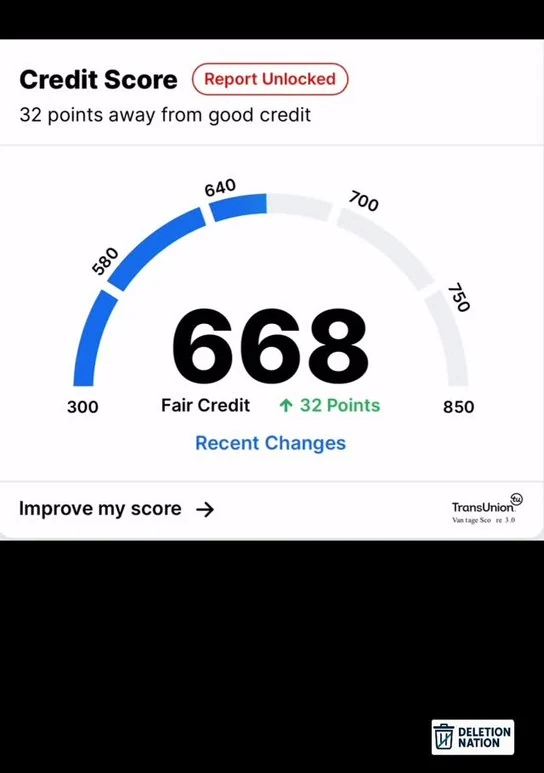
Houston credit repair result: TransUnion credit score of 668, up 32 points

Three clients, 13 deletions, one round

Three TransUnion clients cleared back to back in August 2025. One client had 8 inquiries deleted in a single sweep; another had Apple Card, Comenity, CareCredit, and USAA accounts removed; a third had a Synchrony account deleted. One client rose 32 points overnight, to 668.
See it on Instagram →

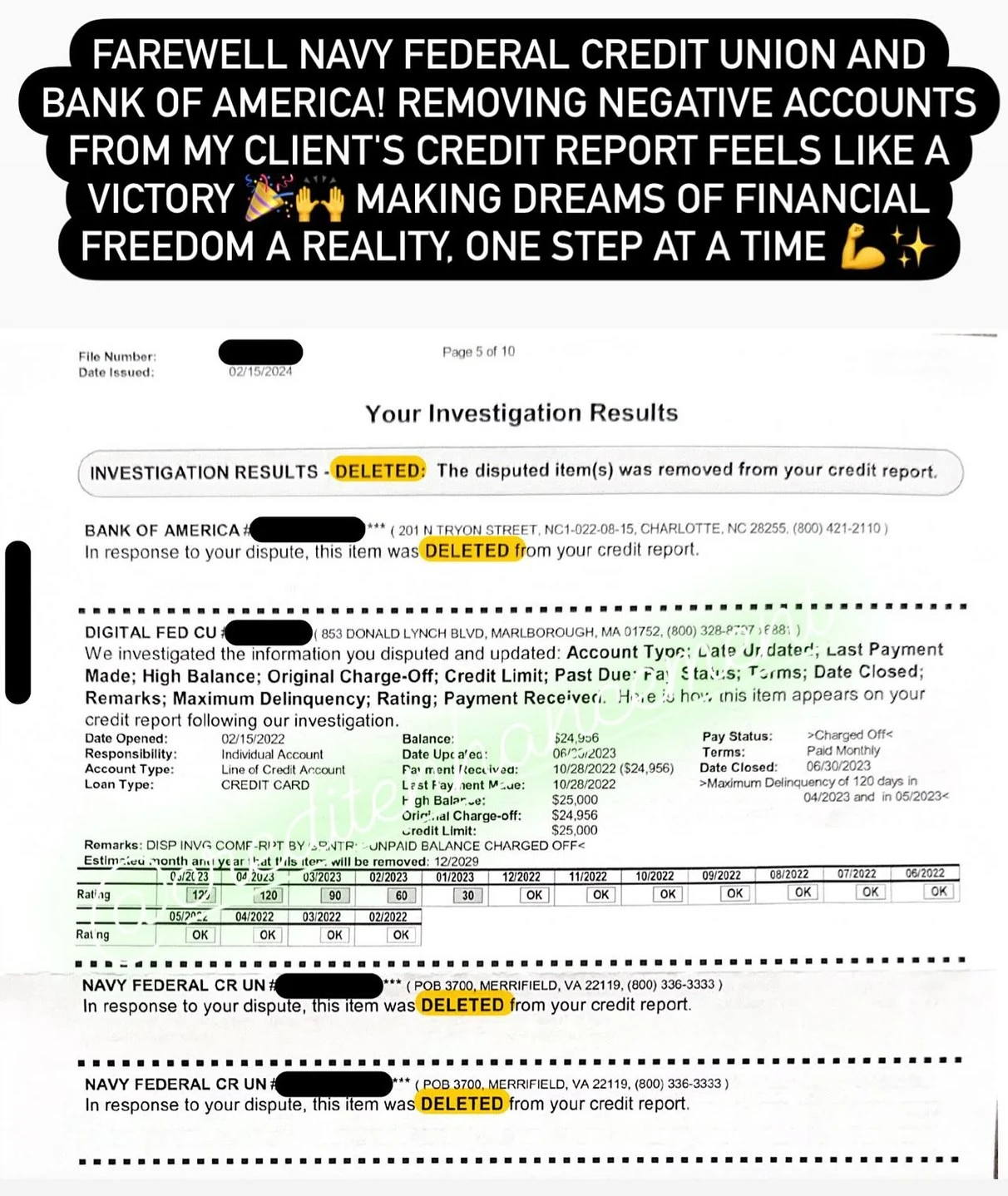
Houston credit repair result: Credit bureau investigation letter showing Bank of America and Navy Federal accounts deleted

Bank of America and Navy Federal, deleted

A February 2024 bureau investigation letter showing a Bank of America account and two Navy Federal accounts deleted from a client's credit report after dispute.
See it on Instagram →

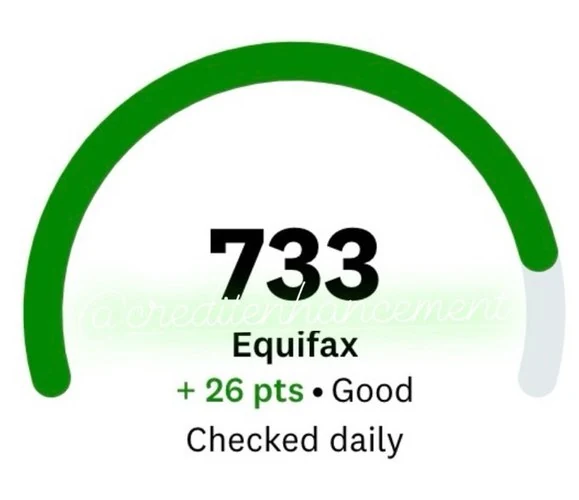
Houston credit repair result: Equifax credit score of 733, up 26 points

Equifax up 26 points

A client reached 733 on Equifax after a 26-point increase, March 2024.

See it on Instagram →

Results vary from person to person and depend on what is in each credit file. Nothing here promises a particular score increase or deletion.

See What's Holding Your Score Back for a Dollar

You can't fix what you can't see. Read your scores and entries from all three bureaus side by side and find out what is actually on your reports.

For a dollar, you can read your scores and entries from Equifax, Experian, and TransUnion before you decide what to do about them.

See What's on My Reports

A dollar with MyScoreIQ opens 7 days of access to your scores, then $34.99 a month if you keep it. Cancel anytime.

Houston Credit Repair Is Proud to Serve Texas

What We Walk Through With You

Secured Credit Cards can look different from one report to the next. We help you understand the details and spot accuracy problems.

Put down a deposit

Most secured cards ask for $200 to $500 to open. The deposit sets your limit, so a larger deposit means more room to keep utilization low.

Use it for small, regular spending

Groceries or gas are enough. You do not need to spend a lot. Small charges paid off each month build the same history as large ones.

Pay on time, in full if you can

On-time payments are the point of the card. Paying in full also keeps interest from eating into the deposit's value.

Keep utilization low

With a small limit, even a modest balance is a high percentage. Try to keep the balance under 30 percent of the limit, and lower if you can.

Ask about graduation

Many issuers will upgrade you to an unsecured card after months of good payments and return your deposit. Ask before you apply whether the card graduates.

Why Talk Through Secured Credit Cards With Us?

Start With the Facts

A Secured Credit Cards entry feels personal, but on a report it is just data — dates, amounts, and a status. We help you read it as data first.

One Entry, Three Reports

The same account can look different on each bureau. We help you check all three before you act on any one of them.

A Plan You Can Follow

We explain dispute options, what records to keep, and practical habits that help you stay current going forward.

How We Help With Secured Credit Cards

Reports to all three bureaus

If the card only reports to one bureau, it only helps one file. Confirm all three before you apply.

Low or no annual fee

A secured card should not cost much to hold. High fees eat the deposit and add nothing to your credit.

A graduation path

Ask whether the card upgrades to unsecured and when. A card that never graduates is a dead end.

A limit you can manage

A $200 limit means a $60 balance is already 30 percent utilization. A larger deposit gives you more breathing room.

Questions About Secured Credit Cards

How much deposit do I need for a secured card?

Most issuers ask for $200 to $500. The deposit becomes your credit limit, so a larger deposit gives you more room to keep your utilization low.

Does a secured card build credit?

Yes, if it reports to all three bureaus. On-time payments on a secured card count the same as on-time payments on any card.

When do I get my deposit back?

When the issuer upgrades you to an unsecured card, or when you close the account in good standing. Missed payments and unpaid balances can be taken from the deposit.

Can I get a secured card with bad credit?

Usually, yes. Secured cards are designed for thin or damaged files, and many issuers approve applicants who would not qualify for an unsecured card.

Is a secured card the same as a prepaid card?

No. A prepaid card is your own money loaded onto a card, and it does not report to the bureaus. A secured card is a real credit card that reports your payments.

Want to Know What Is Holding Your Score Back?

Let's look at your reports together and find the moves that will actually help — and the ones that won't. Call (346) 301-6424.

Call (346) 301-6424

Our Services in Houston, Texas