Inquiries Explained

Soft Inquiry vs Hard Inquiry: What's the Difference in Houston, Texas

One Affects Your Score. The Other Doesn't.

Your credit report lists inquiries — records of who looked at your file and when. Some of them affect your score; most of them don't. Knowing which is which keeps you from worrying about the wrong entries and helps you spot the ones that actually matter.

Hard Inquiries: The Ones That Count

A hard inquiry happens when a lender checks your credit because you applied for credit or asked for a rate — a credit card application, an auto loan at a Houston dealership, a mortgage application, an apartment application. The lender needs your permission to pull your report, and the pull is recorded on your file. Hard inquiries stay on a credit report for about two years, though they usually affect scoring for about one year, and a single inquiry typically moves a score by only a few points.

The damage from hard inquiries comes from volume, not from any single pull. A dozen applications in a short period can look like someone scrambling for credit, and scoring models notice. There is an important exception: when you shop for a mortgage or an auto loan with several lenders in a short window — generally 14 to 45 days depending on the scoring model — those inquiries are usually counted as one, because the model understands you are comparing rates on a single loan. Doing your rate shopping in a concentrated window is the practical way to use that rule.

Hard inquiries you authorized are accurate, and they stay for about two years. No dispute or letter can remove an accurate hard inquiry early. What can be disputed is a hard inquiry you never authorized — a pull by a lender you never applied with, a duplicate pull for the same application, or a pull tied to an account opened in your name without your knowledge.

Soft Inquiries: The Ones That Don't

A soft inquiry happens when your credit is checked without a credit application behind it. Checking your own credit is a soft inquiry. A lender pre-screening you for a credit card offer is a soft inquiry. An employer running a background check, an insurer quoting a rate, a landlord doing a preliminary screen, or a bank reviewing an existing account — all soft inquiries. They appear on your report — you can see them when you pull your own file — but lenders who pull your report for a credit decision do not see them, and they do not affect your score at all.

That distinction is worth understanding because soft inquiries are by far the more common kind. A person who checks their own credit regularly, receives pre-screened offers, and has a few existing accounts will accumulate soft inquiries constantly, and none of them matter for scoring. Worrying about them is wasted energy; the entries to watch are the hard ones.

There is one gray area worth knowing about: some lenders and dealerships run a hard inquiry when you expected a soft one. A car dealership that pulls your credit for a test drive, or a retailer that runs a hard pull for a “no-obligation” financing quote, has made a hard inquiry you may not have agreed to. If a hard inquiry appears from a company you never applied with, ask the company why it pulled your report, and dispute it with the bureau if it was unauthorized.

How to Read the Inquiries on Your Report

Pull your reports from all three bureaus at annualcreditreport.com, the official site, and find the inquiries section — usually near the end of the report. Hard inquiries and soft inquiries are listed separately, and each entry shows the company name and the date. Match every hard inquiry against applications you submitted in the last two years: credit cards, auto loans, mortgages, apartment applications, store financing. An inquiry that matches an application you remember is accurate and will fall off on its own. An inquiry from a company you have never dealt with is the one to dispute.

Keep the habit going forward: apply for credit only when you need it, do your mortgage and auto rate shopping in a tight window, and check your reports regularly so an unauthorized inquiry gets caught in weeks, not years. And remember that checking your own credit never hurts your score — the only inquiries that count are the hard ones, and the only hard ones that matter are the ones you did not authorize or the cluster that comes from applying too often.

When you dispute by mail, send it to the bureau that shows the item. The mailing addresses are: Experian, P.O. Box 4500, Allen, TX 75013; Equifax, P.O. Box 740256, Atlanta, GA 30374; and TransUnion, P.O. Box 2000, Chester, PA 19016. Bureaus generally have 30 days to investigate a dispute once they receive it. Send disputes by certified mail and keep a copy of everything you send, along with the delivery confirmation.

Related Guides and Services

If this guide helped, these pages go deeper on the topics that usually come up next.

A First Look at Real Results

These are actual results from past clients, previously shared on Instagram. Every credit file is different, so treat these as examples of what the process can look like, not as a promise of what yours will do.
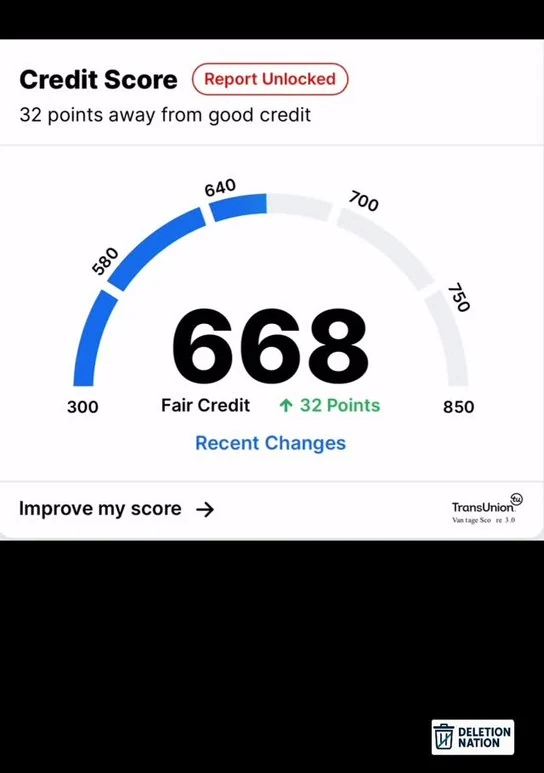
Houston credit repair result: TransUnion credit score of 668, up 32 points

Three clients, 13 deletions, one round

Three TransUnion clients cleared back to back in August 2025. One client had 8 inquiries deleted in a single sweep; another had Apple Card, Comenity, CareCredit, and USAA accounts removed; a third had a Synchrony account deleted. One client rose 32 points overnight, to 668.
See it on Instagram →

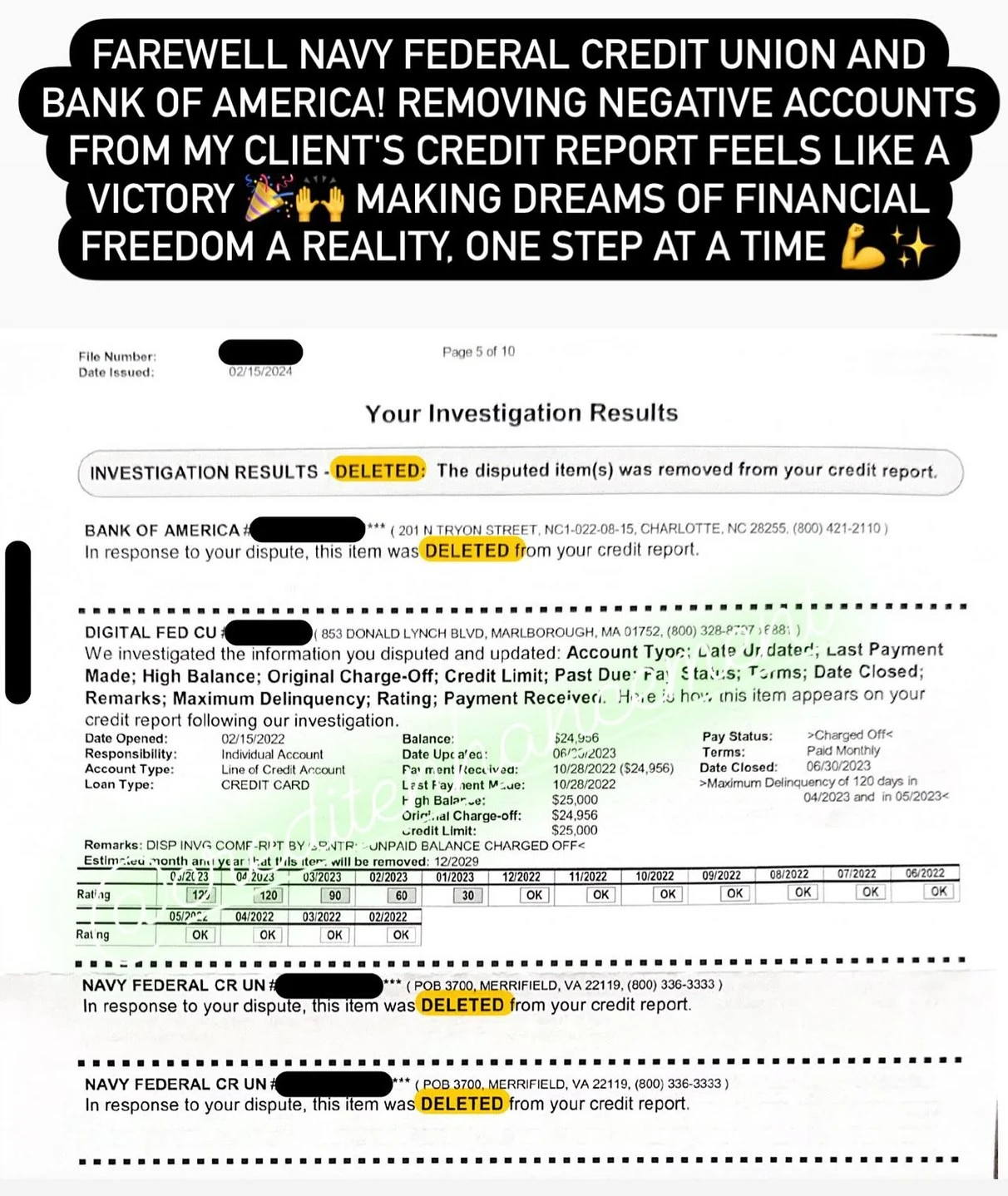
Houston credit repair result: Credit bureau investigation letter showing Bank of America and Navy Federal accounts deleted

Bank of America and Navy Federal, deleted

A February 2024 bureau investigation letter showing a Bank of America account and two Navy Federal accounts deleted from a client's credit report after dispute.
See it on Instagram →

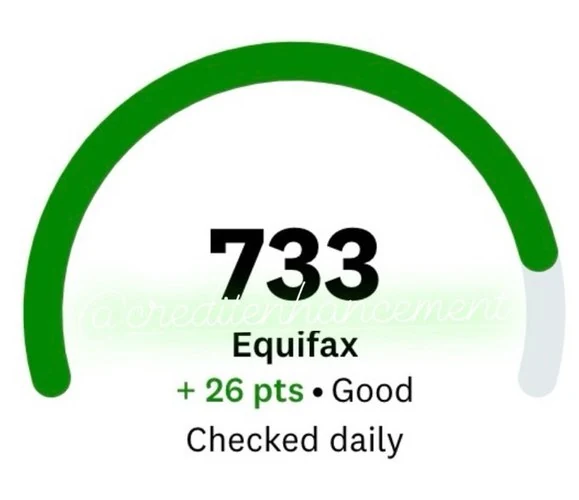
Houston credit repair result: Equifax credit score of 733, up 26 points

Equifax up 26 points

A client reached 733 on Equifax after a 26-point increase, March 2024.

See it on Instagram →

Results vary from person to person and depend on what is in each credit file. Nothing here promises a particular score increase or deletion.

See Every Inquiry on Your Reports for a Dollar

You can't tell a soft pull from a hard pull without reading the file. Check every inquiry on all three bureaus and see which ones actually count.

For a dollar, you can read your scores and entries from Equifax, Experian, and TransUnion before you decide what to do about them.

See What's on My Reports

A dollar with MyScoreIQ opens 7 days of access to your scores, then $34.99 a month if you keep it. Cancel anytime.

Houston Credit Repair Is Proud to Serve Texas

What We Walk Through With You

Soft vs Hard Inquiries can look different from one report to the next. We help you understand the details and spot accuracy problems.

Your Hard Inquiries

We review each hard inquiry — who pulled your credit, when, and on which bureau.

Your Soft Inquiries

We explain the soft pulls on your file and why they don't affect your score.

Rate Shopping Clusters

We look at whether several inquiries from one shopping window are being counted together.

Authorized vs Unauthorized

We help you match inquiries against applications you actually submitted.

Disputes Worth Filing

We help you spot hard inquiries from companies you never dealt with.

Why Talk Through Soft vs Hard Inquiries With Us?

Start With the Facts

A Soft vs Hard Inquiries entry feels personal, but on a report it is just data — dates, amounts, and a status. We help you read it as data first.

One Entry, Three Reports

The same account can look different on each bureau. We help you check all three before you act on any one of them.

A Plan You Can Follow

We explain dispute options, what records to keep, and practical habits that help you stay current going forward.

How We Help With Soft vs Hard Inquiries

Go Over Your Inquiries

We talk through the hard and soft inquiries showing on your credit reports.

Explain the Difference

We explain soft versus hard inquiries in plain language.

Spot What May Be Wrong

We help you identify hard inquiries you never authorized.

Talk About Next Steps

We explain dispute options and how to shop for rates without piling up inquiries.

Questions About Soft vs Hard Inquiries

What is the difference between a soft inquiry and a hard inquiry?

A hard inquiry happens when a lender checks your credit because you applied for credit, and it can affect your score. A soft inquiry happens when your credit is checked without an application — checking your own credit, pre-screened offers, employer checks — and it never affects your score.

Do soft inquiries affect my credit score?

No. Soft inquiries do not affect your score, and lenders making a credit decision do not see them.

How long do hard inquiries stay on my report?

Hard inquiries stay on a credit report for about two years, though they usually affect scoring for about one year.

Can I remove a hard inquiry?

Only if it was unauthorized — a pull by a company you never applied with, a duplicate pull, or a pull tied to identity theft. An inquiry from a lender you applied with is accurate and stays.

Do multiple auto loan inquiries hurt my score?

When you shop for an auto loan or mortgage with several lenders in a short window — generally 14 to 45 days — those inquiries are usually counted as one for scoring purposes.

Does checking my own credit hurt my score?

No. Checking your own credit is a soft inquiry and never affects your score.

Not Sure Which Inquiries on Your File Matter?

Most of them don't — but the hard ones you never authorized do. Let's read your reports together and sort them out. Call (346) 301-6424.

Call (346) 301-6424

Our Services in Houston, Texas